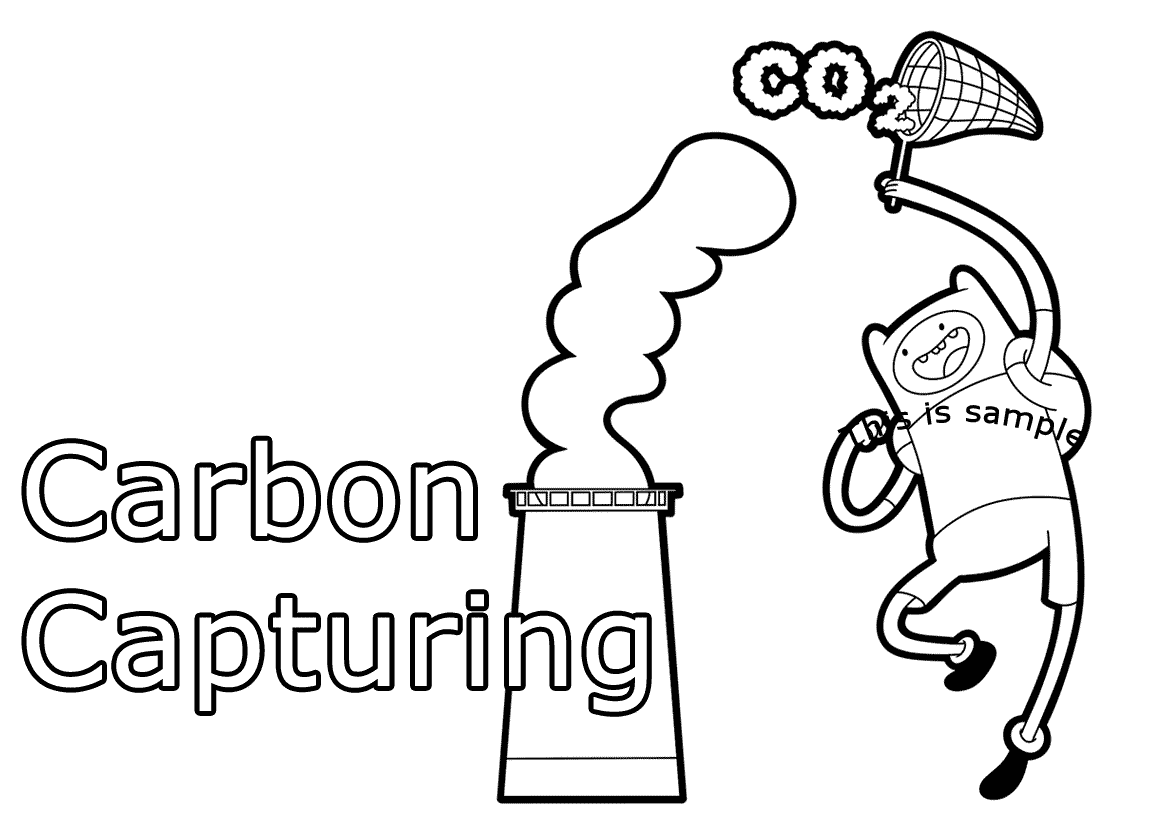
Carbon capturing, as one might explain to a slightly skeptical extraterrestrial, is humanity’s attempt to grab hold of carbon dioxide — the pesky gas that’s been wrapping the Earth in a toasty, albeit unwanted, blanket. The idea is delightfully audacious: build machines that can vacuum up CO₂ from chimneys or even straight from the air, then shove it underground where it can sulk quietly for a few million years. Some even turn it into fizzy drinks or bricks, proving that carbon, if nothing else, is versatile.
Naturally, the planet’s trees have been doing this sort of thing for ages, albeit without asking for funding or inventing flashy names like "direct air capture." But humans, in their infinite wisdom, have decided to pitch in with machines and science to tidy up the colossal mess they’ve made. It’s not a perfect solution — more of a planetary bandage than a cure — but it’s a step toward stopping Earth from turning into a budget version of Venus. And in a universe this big, that seems worth the effort.
Naturally, the planet’s trees have been doing this sort of thing for ages, albeit without asking for funding or inventing flashy names like "direct air capture." But humans, in their infinite wisdom, have decided to pitch in with machines and science to tidy up the colossal mess they’ve made. It’s not a perfect solution — more of a planetary bandage than a cure — but it’s a step toward stopping Earth from turning into a budget version of Venus. And in a universe this big, that seems worth the effort.




Add comment